 Anglo-americká vysoká škola
 AAU Professor George Hays Featured in Czech Publication, iDnes


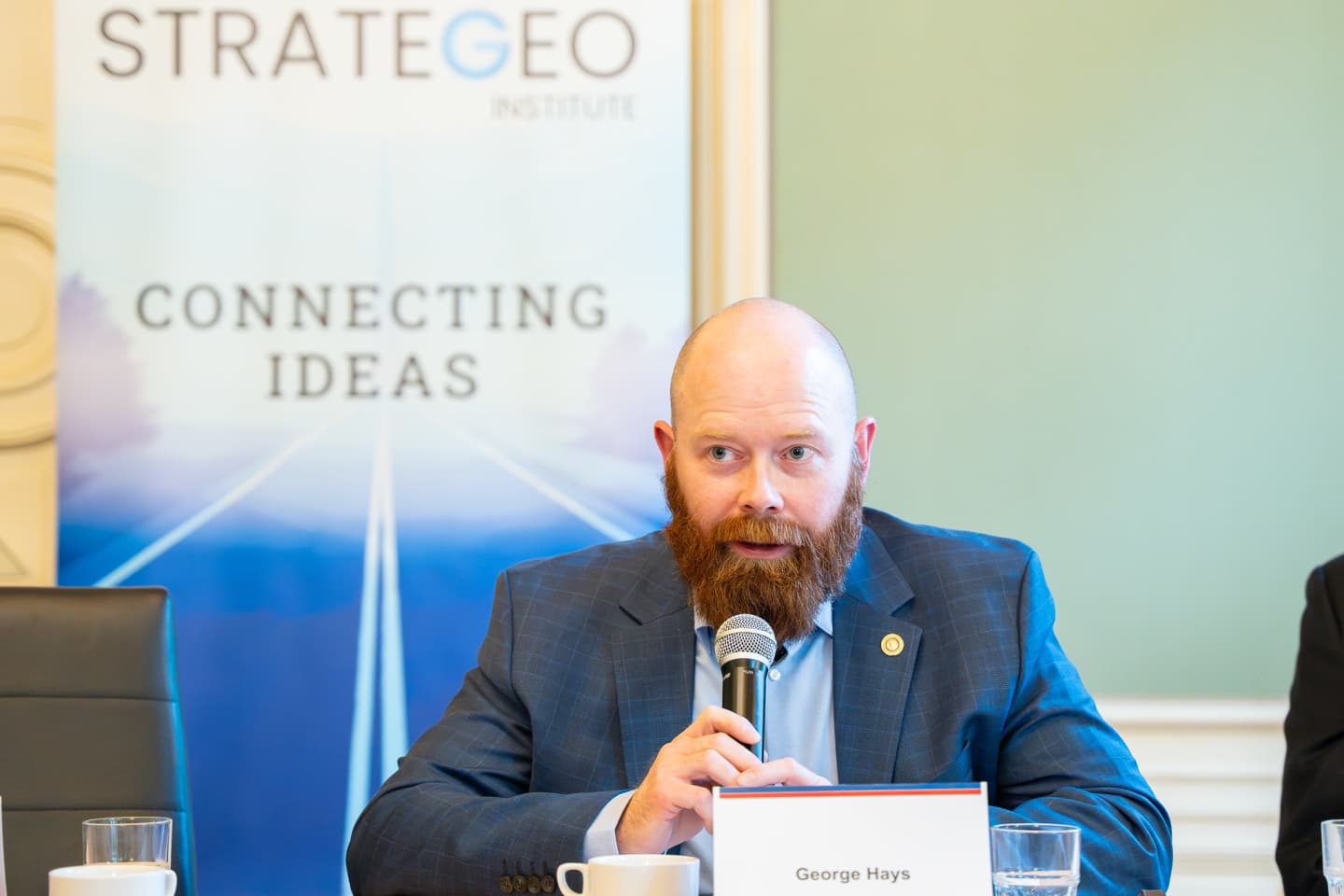
Anglo-American University congratulates Professor George Hays II, Ph.D., Dean of the School of International Relations and Diplomacy, for being featured in iDnes.cz. His interview, which can be found below translated into English or as the original in Czech, highlights his career and life that brought him to Prague.
“Living in the Czech Republic gives me security, says an American professor. He also likes to teach students in a pub”
George Hays studied at five universities in three countries, but eventually he settled in Prague where he lectures on International Relations and Diplomacy at Anglo-American University. He tries to use the best of both the American and Czech educational systems. “We try to instill in students a broad general education before they dive into specialization,” said George Hays.
He was born and raised in Ohio, USA, where he still returns at least once a year. But his life took an unexpected turn in 2002.
“I met my future wife during a high school exchange in Slovakia. At that time, I returned home to the USA, but—as cliche as it may sound—love was stronger, so I returned to Central Europe and stayed here,” said Geogre Hays.
Today, he lives with his family in Prague and works as a university teacher.
What was your first impression of Europe when you came here as a high school student?
It’s difficult to separate the time of my travel from other world events. My first impressions of Prague in 2002 are connected with the pilot of the plane flying over the city, showing the damage of the floods — as I arrived in August, the time of the worst flooding. I also remember how close everything was. I couldn’t believe that from the edge of one village you could see the other—not only because of the distance, but also because there was no forest between them. In Ohio, cities and villages are much further apart, often with forests or copses between them.
What was your impression of the people here?
Everyone was very sociable and open, but I had trouble understanding what was going on because of the language barrier. I didn’t realize how deep the barrier was. I felt like a little child again, learning to speak and communicate. My host family was very kind: we sat down together every evening, talked about our day, and used a large translation dictionary to understand each other.
You visited Slovakia, not Bratislava as one might expect, but Spišská Nová Ves. That is very atypical. How did that happen?
The area in Ohio where I come from has a large Czech and Slovak community. In my hometown, the local Rotary club had an exchange program run by a family friend whose grandparents were from Spišská Nová Ves. After the end of the Cold War, he expanded the program to Spišská. When I was old enough, he told me I “had to travel” and I “had to go to Spisska Nova Ves.” When the time came, I went to Spišská. There, I spent a lot of time with one classmate who spoke very good English, so we could have actual conversations. She eventually became my girlfriend.
What was the continuation of your love?
After the exchange, I returned home to Ohio, of course. But not for long. I returned to Europe to be with her—first to Bratislava where we studied our Bachelor’s degrees and later in Prague to do our Masters degrees. We became engaged and then married, and we began building our life here.
What do you feel are the biggest differences? What do you like about it here?
Life in the Czech Republic is good. Raising a family here is good. Not needing to worry about child care, health care, transportation, gun violence, all these things are incredible.
What did you have to get used to?
It might sound a little strange, but I had to get used to there being less space. It’s really hard to put into words how vast the distances are between places in the US and what an impact that has on one’s development.
It was also challenging for me to get used to the role of a foreigner — both in terms of cultural differences as well as just needing to keep track of paperwork and documents and expending so much energy just to exist legally. The bureaucracy was a lot to get used to.
For a long time I missed the food, but a lot of it is steadily coming over. And I also miss the little things associated with holidays and traditions—like decorated houses for Halloween or Christmas. What I miss most is being able to engage in the full breadth of communication in any situation, including nuances and jokes and metaphors.
You work as a university teacher. Did you plan to pursue an academic career from the beginning or did it happen by chance?
When I was a child, I wanted to be an astronaut and was obsessed with math and science. Then, when I was about 11 years old, I had a bad accident that fractured my skull and caused brain swelling; the doctors said it would prevent me from becoming an astronaut. Going into high school, I wanted to become a lawyer. My mother, who is a lawyer, told me that with my temperament I would spend more time in jail in contempt than in the courtroom, so I had to look for something else again.
What did you choose?
I chose philosophy which I liked very much from when I finished high school and began college. I wanted to continue it until I got my doctorate. But then I met my future wife who was European and studying international relations. I changed my major in order to have more topics in common, moved to Europe to be with her, and eventually began my academic career here because of her.
You studied at five universities in three countries — what are the main differences between the American and Czech educational systems?
That’s a tough question because it depends on the time, place, and field. I would say that the strength of the American system lies in its breadth—you have to take many courses in various areas of the natural and social sciences—and in the teaching method where the ability to argue is more important than memorization. The Czech system is strong in depth—it focuses on one field from the beginning and really goes into it in depth. The American model develops general critical thinking and problem-solving while the Czech one emphasizes specialized knowledge.

What could Czech universities learn from American ones, and vice versa?
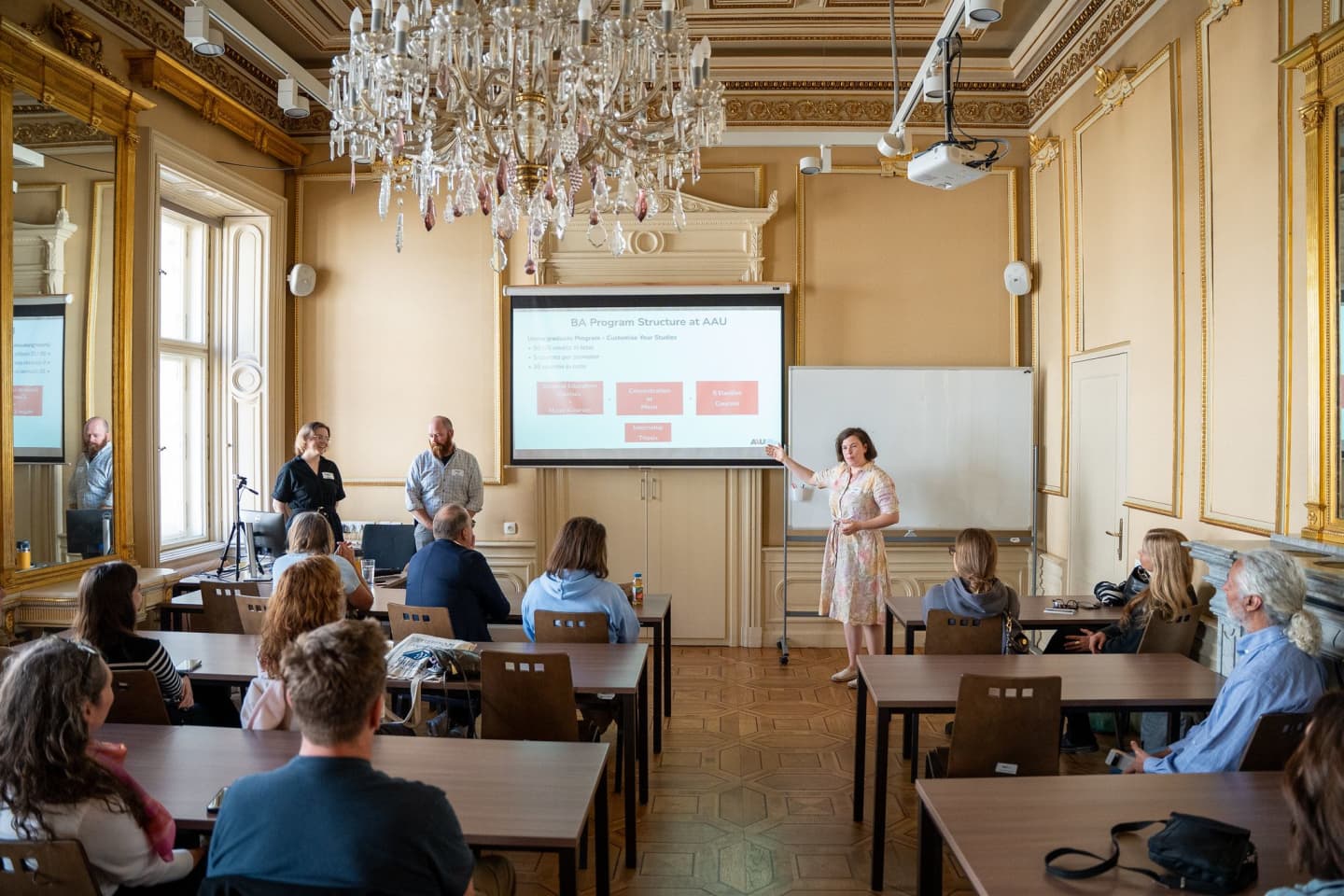
I think that both systems sometimes go too far in their approaches—which is why I value so much the approach we practice at Anglo-American University where we try to combine both views of teaching. We require a broad range of courses to be completed as a general education requirement, before going deep on field specific courses. In my experience, we go deeper than US universities in theory, method, and application. The combination of the two styles is tremendous.
Let’s look at it from the other side. What do you think are the biggest differences in the students’ approach here and in the US?
I think that it is a very different thing to study International Relations at 51°µÍøin Prague than it is to study it somewhere in the US. First, the environment here is truly international and you can feel those individual cultures enrich each other—we have dozens of nationalities from all over the world here which in itself brings enormous value. Second, it is easy to travel and see first hand different places, cultures, and important events. For example, some of my students went on a few weekend trips to see the Serbian student protests first-hand. Third, Prague offers a wealth of opportunities: internships in multinational companies, non-profit organizations, or NATO—all in the heart of Europe. These are experiences that are very difficult to achieve in the US.
Is it possible to combine the best of both educational worlds?
Again, I think AAU combines the two really well. Our students learn more in depth than in the US, but at the same time, from the beginning, they also learn to think critically, debate, and develop across disciplines. I believe that this is still not common in many Czech schools. Class size is also important: small groups allow for stronger relationships between students and professors which fosters community and deeper academic engagement.

You are known to often use unconventional methods in your teaching. For example, you often connect film and politics. How did you come up with the idea of looking at international relations through film?
In 2004, when I was studying in Bratislava, an American professor from the Fulbright program was organizing film evenings in a small cinema. One of the films he showed was Tichý Američan. The film completely absorbed me. When I returned to the US, I wanted to watch it again, but I couldn’t find it anywhere.
I eventually found an older version from the 1950s and then the newer one from 2002 once I moved to Prague for my studies. Being curious, and, being curious, I dove into both films. This made me very aware of the politics around films, production, release, and reception. I found out that the new version was finished just before September 11, 2001. The massive identity shift that occurred due to 9/11 meant that the American audience would not accept the plot putting the American character as the bad guy, and so the finished movie wasn’t released in the US as planned, and recordings weren’t really released onto the US market either. This got me thinking about how the idea of “the good guys” changes over time in culture.
How did you go about it, and what did you find?
I started analyzing war films, and I found that every Hollywood war film about an American conflict had a similar story structure. These films were not about the classic “us versus them” story of the United States against enemy forces, but stories where two Americans were always facing each other while the war itself and the foreign enemy were just the backdrop. Each of these films pointed to a split in American identity—that the real adversary was another American.
This makes films and international relations a very “meta” experience: the films show the perception of events at the time the film was made as well as the acceptability of perceptions at the time the film was made.
But you go even further, to put it mildly – beyond the school – with “Professors in the Pub”. Does that mean you meet with students in a pub?
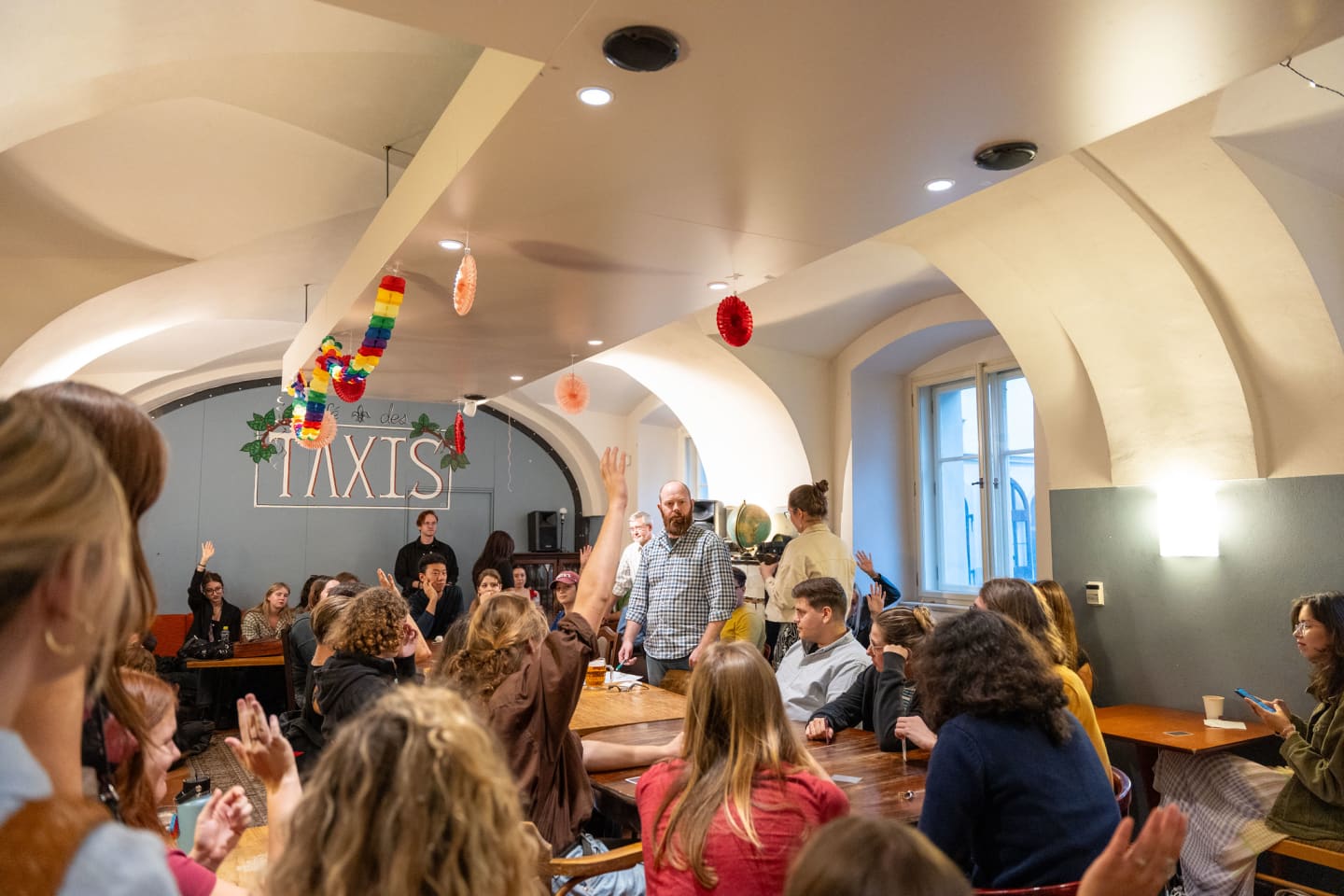
It doesn’t sound very good when you put it that way, but in principle, yes. It’s an event that takes place regularly once a month.
Why? Can’t everything be discussed in the classroom?
Now you’ve answered that question a little. The classroom at school is a very formal environment with a lot of power relations built into it: the professor is the one who is supposed to know everything and the one who sets and evaluates assignments. Students can easily get caught up in this thinking, which can lead them to focus on grades and trying to please the professor over thinking and engaging. Moving out of that formal setting helps strip away those impediments. In the Professors in the Pub series, it’s all only discussion and engagement. There are no assignments, grades, or “authorities”. Students meet across disciplines and schools, and there are always several professors who hold different opinions. This creates a truly open, respectful, and inspiring environment—the best that academia can offer.
What do you enjoy most about teaching and working with young people?
I guess it’s two sides of the same coin. On the one hand, it is rewarding to watch a student develop, overcome obstacles and grow. It is also a bit magical to be there when a new concept “clicks”, when their eyes “light up” at the moment, and they truly understand something for the first time. On the other hand, it is equally valuable when a student brings a similar moment to you: when you think differently in a discussion and suddenly see something from a new perspective. This two-sided discovery is the best part of teaching for me.

Where can we find you when you’re not teaching?
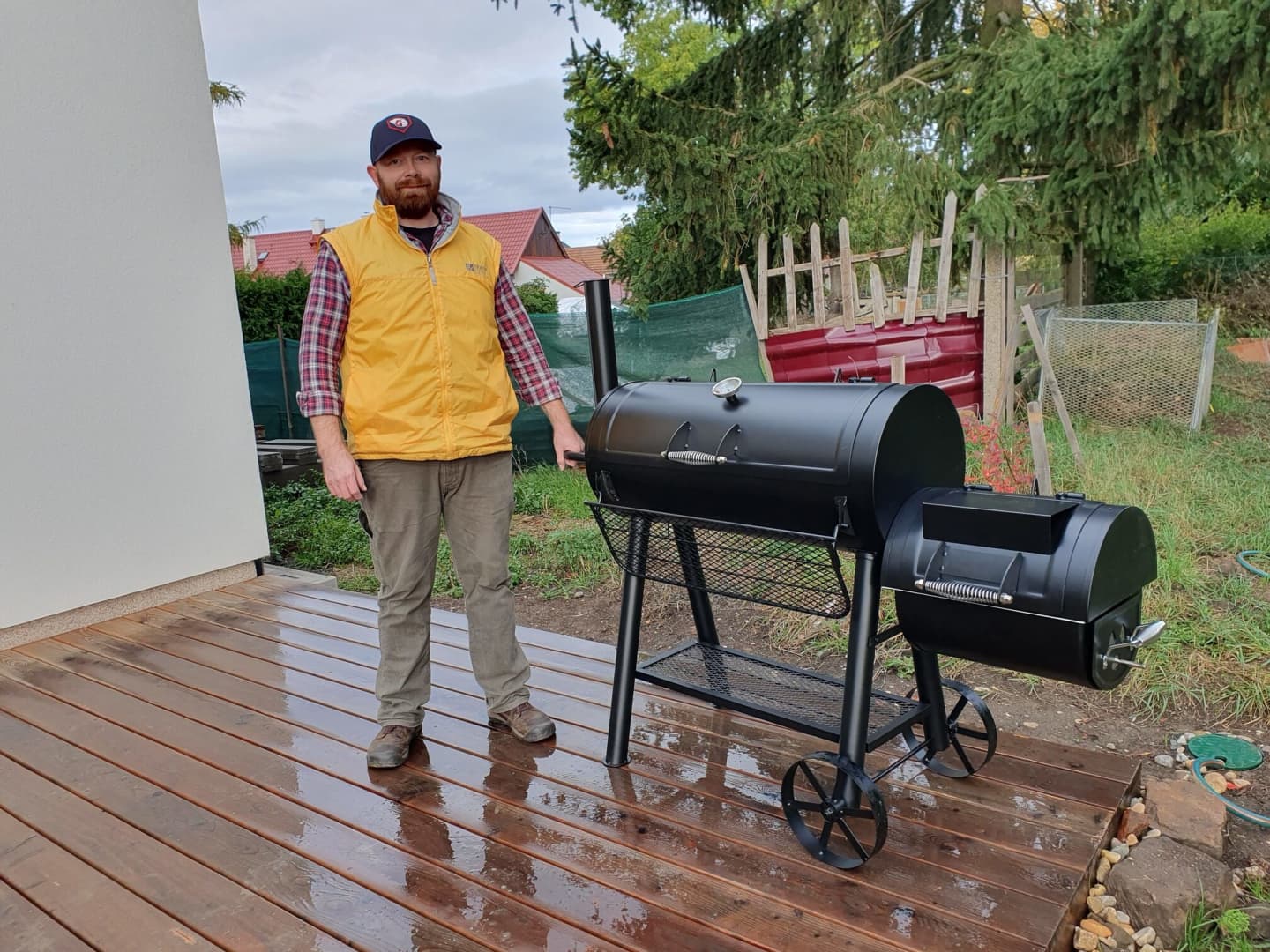
When I’m not at work, I am almost always with my wife and kids. During the season, we watch baseball online—I’m a Cleveland Guardians fan— grill, work in the garden, or ski. When I have some time to myself, I like to read.
Is there a movie or book that you keep coming back to?
While there are several films that I have a lot of affection and respect for, like ±·²¹š±ð Quiet American, there isn’t any that I regularly watch. Any film viewing now is usually dominated by my kids’ competing wishes. In terms of books, there are a few I come back to regularly. One is Nadace by Isaac Asimov—the first part of the trilogy is a great analogy of the development of Western civilization after the fall of Rome, the whole series is fascinating. Another is Command and Control by Eric Schlosser which is a macro-history of the development of the American nuclear program combined with the micro-story of one specific accident. The book shows how the history of science, politics, and power are interconnected; it is both terrifying and enlightening. Finally, there’s The Demon in the Machine by Paul Davies which connects philosophy, thermodynamics, computer science, chemistry, and biology in exploring the origin of life. It is a short but compelling work, and I don’t think it’s possible to read it without altering your world view.